






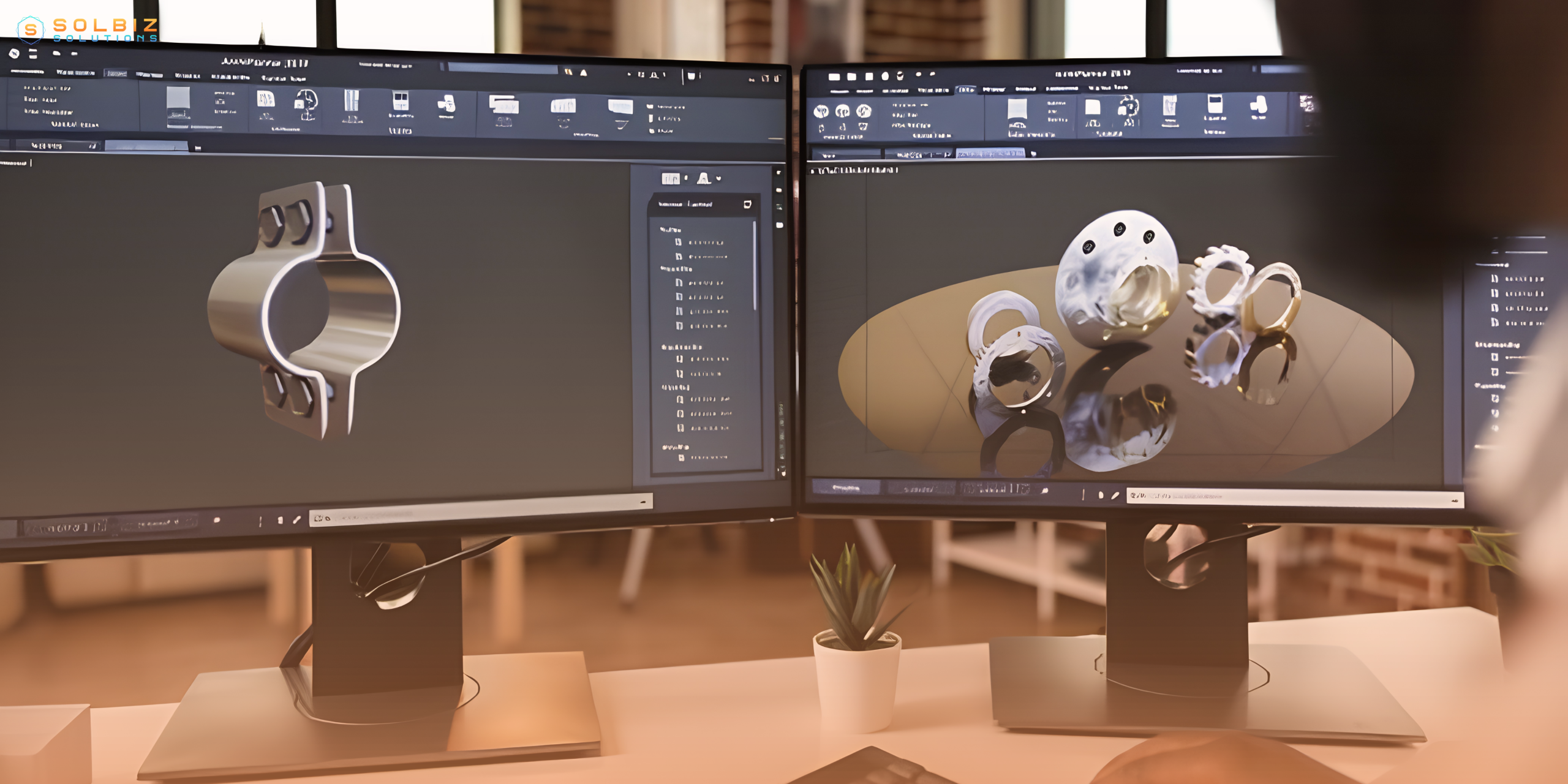
In the modern product design and hardware engineering landscape, selecting the right Computer-Aided Design (CAD) tool is a foundational decision. The debate inevitably centers on two industry giants: SolidWorks, the long-standing enterprise heavyweight, and Autodesk Fusion, the cloud-native disruptor. As engineering workflows become increasingly collaborative and decentralized, both platforms have rolled out massive updates to capture the market. Understanding their core architectural differences is vital to optimizing your team’s productivity and engineering output.
The enterprise powerhouse: SolidWorks
SolidWorks has long been the industry standard for parametric mechanical design, and for good reason. It is engineered to handle massive, complex assemblies containing tens of thousands of individual parts without breaking a sweat. For industries like automotive, aerospace, and heavy machinery, SolidWorks offers unparalleled precision in detailing, sheet metal design, and structural weldments. Furthermore, its ecosystem is deeply integrated with robust Product Lifecycle Management (PLM) systems via the 3DEXPERIENCE platform, making it the preferred choice for large enterprise teams that require strict version control, advanced simulation capabilities, and rigorous data security compliance.
The Agile innovator: Autodesk Fusion
Conversely, Autodesk Fusion has completely democratized the engineering landscape. Built from the ground up as a cloud-first platform, Fusion eliminates the traditional silos between separate engineering stages. It offers an all-in-one environment where a designer can sculpt a concept, simulate structural stresses, optimize the geometry using AI-powered generative design, and generate CNC toolpaths using integrated CAM tools, all within the same interface. Fusion’s cloud architecture enables instantaneous collaboration across global teams, allowing multiple engineers to work on a single project simultaneously without data conflicts, all while running smoothly on standard hardware or laptops.
Key technical differentiators
When evaluating these platforms, three main factors come into play: assembly management, integrated features, and cost. SolidWorks wins decisively on large-scale assembly management and drawing detailing. Its mating systems and performance under heavy graphical loads remain unmatched. However, Autodesk Fusion takes the lead in cross-disciplinary integration. Having top-tier CAM and advanced additive manufacturing controls built directly into the CAD workspace saves immense time. Furthermore, Fusion’s flexible subscription model makes it highly accessible for startups and agile hardware teams, whereas SolidWorks requires a more substantial financial investment.
Making the strategic decision
The optimal choice depends entirely on your operational scale and manufacturing pipeline. If your organization operates within a traditional manufacturing ecosystem, handles complex multi-part mechanical systems, and requires rigorous PLM, SolidWorks is an indispensable asset. However, if you are an agile startup, an IoT hardware developer, or a multidisciplinary team requiring rapid prototyping and seamless cloud collaboration, Autodesk Fusion offers an incredibly efficient, modern workflow that accelerates time-to-market.
Conclusion
Ultimately, both tools are highly capable of turning complex concepts into manufacturable products. Evaluate your team’s specific technical requirements, infrastructure, and long-term scaling needs before committing to a platform.
