





In the current commerce landscape, customer retention has evolved from a marketing metric into a core financial strategy. As digital Customer Acquisition Costs (CAC) continue to skyrocket due to tightening privacy regulations and intense market saturation, keeping existing buyers engaged is paramount. Modern consumers do not differentiate between browsing an online storefront, interacting with a brand on social media, or shopping in a physical retail location. They demand a singular, fluid brand experience. Retailers that fail to unify these touchpoints risk massive churn. Conversely, brands implementing advanced omnichannel retail strategies are unlocking unprecedented levels of customer loyalty and retention.
The architectural shift: Multi-channel vs. Omnichannel
To effectively boost retention, organizations must first understand the structural difference between multi-channel and omnichannel frameworks. A multi-channel approach means operating separate sales channels – such as an e-commerce website, a mobile app, and a brick-and-mortar storefront – often managed by isolated teams with independent data silos. An omnichannel strategy, however, completely eradicates these boundaries. It establishes a centralized data core where customer behavior, purchase histories, and inventory levels are synchronized in real time across all digital and physical assets. This ensures that every customer interaction is continuously informed by their previous behavior, regardless of the channel.
Pillar 1: Frictionless order fulfillment optimization
One of the fastest ways to drive long-term retention is by offering ultimate convenience through flexible fulfillment models. Features like Buy Online, Pick Up In Store (BOPIS), Buy Online, Return In Store (BORIS), and curbside pickup have transitioned from premium perks to basic consumer expectations. Executing this flawlessly requires a robust, cloud-native Order Management System (OMS) that updates inventory levels globally in milliseconds. When fulfillment friction is eliminated, and consumers know they can return an online purchase to a local store within minutes without shipping hassle, their trust in the brand deepens significantly, driving repeat purchases.
Pillar 2: Centralized customer data & personalization
True customer retention thrives on contextual relevance. By deploying a unified Customer Data Platform (CDP), retailers can aggregate fragmented data points – website clicks, email open rates, mobile app engagement, and point-of-sale (POS) transactions – into a single, comprehensive customer profile. In 2026, leading retailers are empowering in-store associates with mobile clienteling tools driven by these profiles. When a sales associate can instantly see a customer’s online wishlist and preferred sizing as they walk onto the showroom floor, they can deliver hyper-personalized service that traditional retail cannot match.
Pillar 3: The unified cross-channel loyalty loop
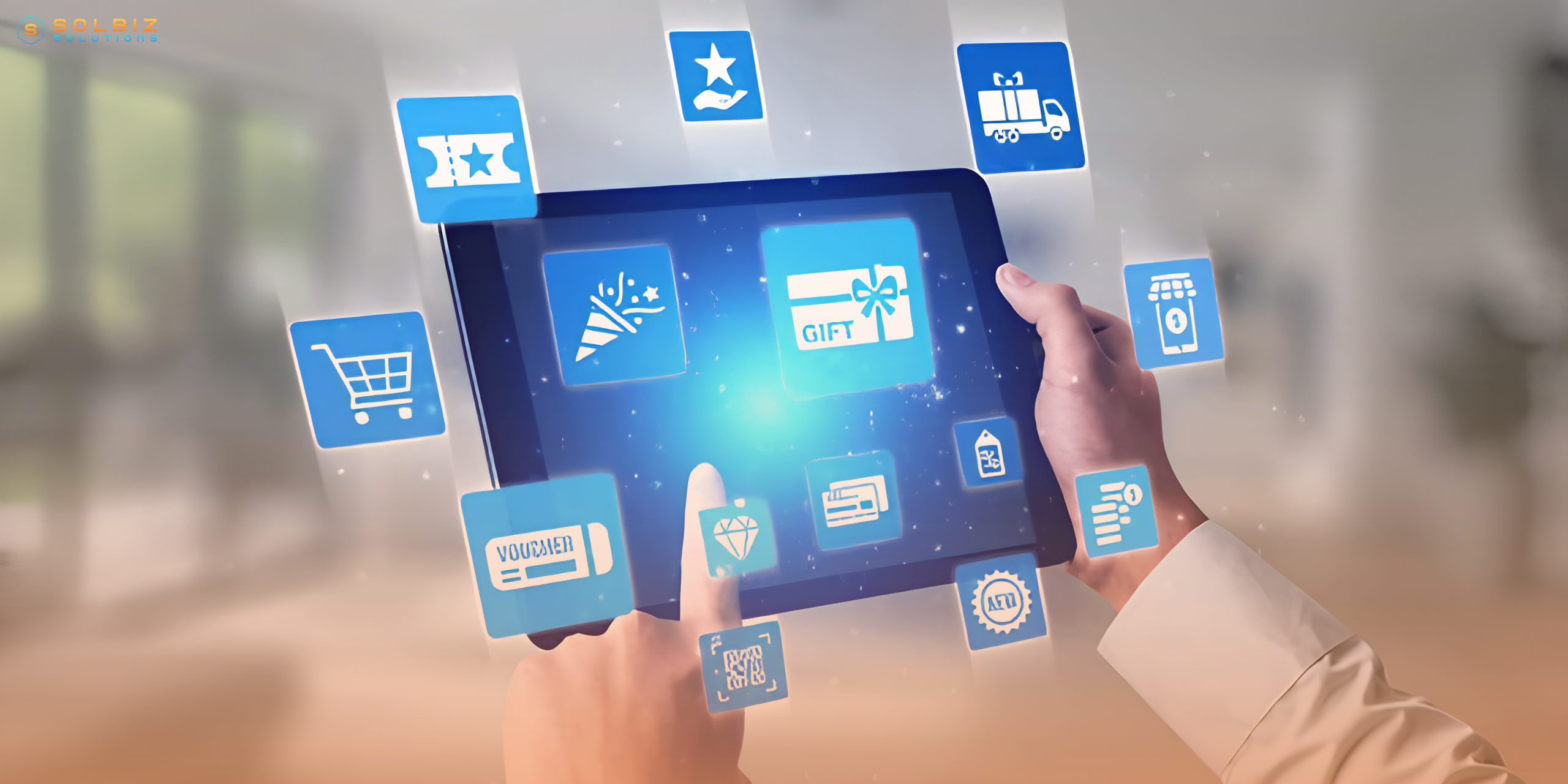
Traditional, isolated loyalty card programs are no longer effective. Modern retention strategies require a dynamic loyalty ecosystem that rewards customers for every form of brand advocacy, both digital and physical. Whether a customer leaves a product review online, engages with an augmented reality (AR) try-on feature on social media, or makes an in-person purchase, their loyalty status must update instantaneously. Integrating these programs with digital wallets (such as Apple Wallet or Google Wallet) ensures that personalized rewards, tailored tier updates, and location-based notifications reach the consumer at the exact moment they are most likely to convert.
Conclusion
Boosting customer retention through omnichannel strategies is no longer an optional innovation project; it is a baseline requirement for long-term retail survival. By seamlessly bridging the gap between digital convenience and physical immersion, brands create highly resilient, friction-free ecosystems. Investing in a unified data architecture, advanced order management, and cross-channel personalization ensures that your retail operation is built to adapt, scale, and thrive in an increasingly competitive marketplace.
